
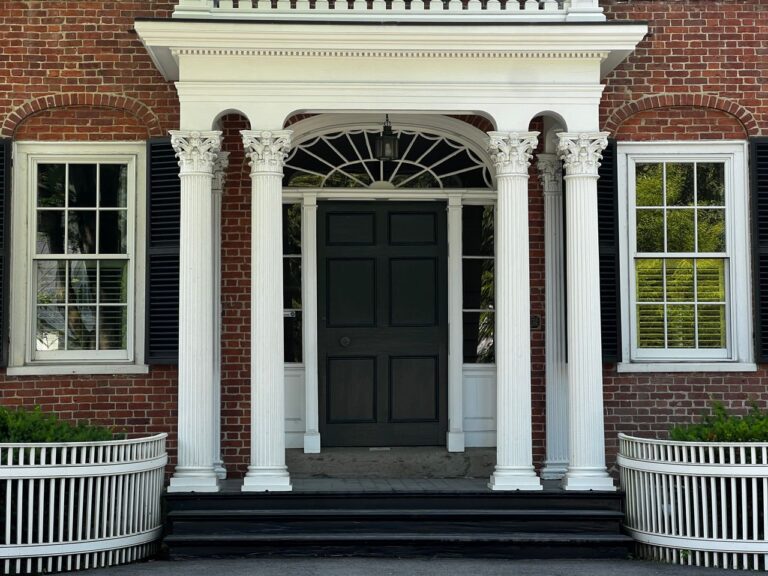
There is a quiet revival happening across the skilled trades. As the construction industry grapples with sustainability targets, the growing number of listed buildings, and renewed appreciation for craftsmanship, heritage joinery has moved from a niche specialism into a sector with genuine career momentum.
For those considering a career in the trades — or looking to redirect their existing skills — the restoration and manufacture of timber windows and doors represents one of the most stable, in-demand, and personally rewarding paths available.

Why Heritage Joinery Is Growing
Several forces are converging to drive demand for skilled heritage joiners in the UK.
The Listed Building Backlog
England alone has over 370,000 listed buildings. Many of these properties have windows and doors in various states of disrepair. Planning regulations require that any replacement work matches the original in material, profile, and character — which means uPVC is simply not an option. Only skilled timber joiners can produce the work that conservation officers will approve.
The Net Zero Agenda
Government and local authority targets for improving the energy performance of older housing stock are creating significant demand for draught-proofing, restoration, and secondary glazing work on existing timber windows. Retrofitting rather than replacing is now the preferred approach — both environmentally and from a planning perspective.
The Skills Gap
The heritage joinery sector faces a significant shortage of trained practitioners. Many experienced joiners are approaching retirement age, and relatively few apprentices are entering the specialism. For those who do, the career prospects are strong and the competition for good candidates is intense.
Rising Property Values in Period Markets
In London and other major cities, period properties command significant premiums. Owners of Georgian and Victorian homes are investing heavily in restoration, and original architectural features — including windows and doors — are a central part of that investment.
What Does Heritage Joinery Work Actually Involve?
Heritage joinery encompasses a range of skills and tasks. The two most significant product areas are sash windows and timber entrance systems — including french doors.
Sash Window Restoration and Manufacture
Sash windows are technically demanding. A double-hung box sash requires precision in every component: the weights must be correctly sized for the sash panels, the cords or chains must run smoothly through the pulley system, and the draught sealing must be applied without impeding movement.
Restoration work requires the joiner to assess what can be retained — original frames, weight systems, pulleys — and what must be replaced. Splice repairs to decayed timber, re-glazing, re-cording, and draught-proofing are all skills learned through practice.
New manufacture follows a similar logic but starts from scratch. Understanding the architectural language of the period — glazing bar profiles, horn design, meeting rail position — is as important as the technical woodworking skill.
Timber French Doors
Timber french doors are another area of growing demand, particularly in the London market where rear extensions and garden room conversions are prevalent. A well-made pair of french doors must achieve thermal performance, weather resistance, and smooth operation across a wide range of seasonal conditions — timber expands and contracts with humidity and temperature, and the joiner must account for this in the design and installation.
The craftsmanship involved in producing french doors to a heritage standard — mortice and tenon joints, accurate rebates, hand-fitted ironmongery — represents the kind of skilled work that simply cannot be replicated by mass production.
Career Pathways Into Heritage Joinery
Apprenticeships
The most direct route. Several organisations offer formal apprenticeships in bench joinery or site joinery, and some specialist firms run their own structured training programmes. The Guild of Master Craftsmen and the Historic England Skills Shortage list are useful starting points for finding accredited routes.
College Courses
Level 2 and Level 3 qualifications in carpentry and joinery provide the foundational skills. Those with a specific interest in heritage work should look for colleges with access to traditional machinery and tutors who have worked in the heritage sector.
Transitioning From General Joinery
Many heritage joiners start in general carpentry and move into the specialism as their interest develops. If you are already working in the trade, seek out heritage-focused firms and ask about shadowing or mentoring opportunities. The specific skills — understanding sash geometry, working with lime mortars, reading architectural drawings — are learnable, but you need exposure to the work.
Self-Employment
The heritage joinery sector has a strong tradition of self-employment and small specialist firms. For experienced joiners, setting up independently — particularly with a specialism in restoration or in a specific London borough with a high concentration of period properties — is a viable path.
The London Opportunity
London deserves specific mention. The city has an extraordinary concentration of listed buildings and conservation areas, and its property market means that owners are willing to invest significantly in authentic restoration.
The demand for london sash windows specialists is consistent year-round, and the market for bespoke timber entrance systems — including french doors fitted to rear additions in Georgian and Victorian houses — shows no sign of slowing.
Joiners who establish a reputation for quality heritage work in London can build a strong referral network relatively quickly. Conservation architects, planning consultants, and restoration contractors all need reliable timber specialists and will recommend good practitioners repeatedly.
The appetite for bespoke french doors and sash window installations in London is driven by the scale of the period housing stock, the regulatory requirements of conservation areas, and the willingness of buyers and sellers to invest in authentic features. For a skilled joiner, this creates real and sustained career opportunity.
Skills That Heritage Joiners Value Most
- Precision woodworking: The tolerances in sash window manufacture are tight. Attention to detail is non-negotiable.
- Understanding of historical construction methods: Knowing how buildings were built in different periods helps you understand what you are working with and what problems to anticipate.
- Reading architectural drawings: Heritage work often involves detailed specifications and drawings that must be translated accurately into physical objects.
- Problem-solving: Every restoration project is different. The ability to assess a window that is three hundred years old and work out how to restore it without destroying it is a genuine skill.
- Customer communication: Heritage joinery clients are often emotionally invested in their properties. The ability to explain technical decisions clearly and manage expectations is part of the job.
- Finishing: Painting and finishing timber windows and doors to a high standard is as important as the joinery itself. Poor finishing undoes good woodwork.
What Heritage Joiners Earn
Salaries vary by experience, specialism, and geography. As a general guide:
- Apprentice joiners: £14,000 to £20,000 depending on year and employer.
- Qualified bench joiners: £28,000 to £38,000 in most parts of the UK; higher in London.
- Experienced heritage specialists: £40,000 to £55,000, with senior roles or self-employment capable of going considerably higher.
- Self-employed specialists in London: Day rates of £250 to £400 are achievable for those with a strong reputation and specialist skills.
It is worth noting that heritage joinery skills are not easily automated or offshored. The work must be done on-site or in local workshops, and the demand is tied to the physical stock of period buildings in the UK — which is not going anywhere.
Industry Bodies and Professional Development
- The Institute of Carpenters: Offers qualifications and membership grades for practising carpenters and joiners.
- The Guild of Master Craftsmen: Provides accreditation and a platform for finding and marketing specialist work.
- Historic England: Publishes guidance notes on traditional building materials and techniques, useful for anyone entering heritage work.
- The Society for the Protection of Ancient Buildings (SPAB): Runs training courses specifically focused on traditional building techniques.
- CITB (Construction Industry Training Board): Administers grants and funding for apprenticeships and training in the construction sector.
Is Heritage Joinery the Right Career for You?
The work is physically demanding, technically challenging, and requires patience — restoration projects do not move quickly, and the quality of the outcome matters enormously. But for those who enjoy working with their hands, take satisfaction in precision, and have an interest in the built environment, it is difficult to find more rewarding work.
The combination of skill shortage, sustained demand, regulatory tailwinds, and the irreplaceable nature of the work makes heritage joinery one of the most secure and satisfying trades to enter in the current market.
If you are looking for a career with longevity, genuine craft, and the opportunity to make a visible and lasting contribution to the buildings around you — this is a sector worth serious consideration.
For more articles, visit OD Blog.
