
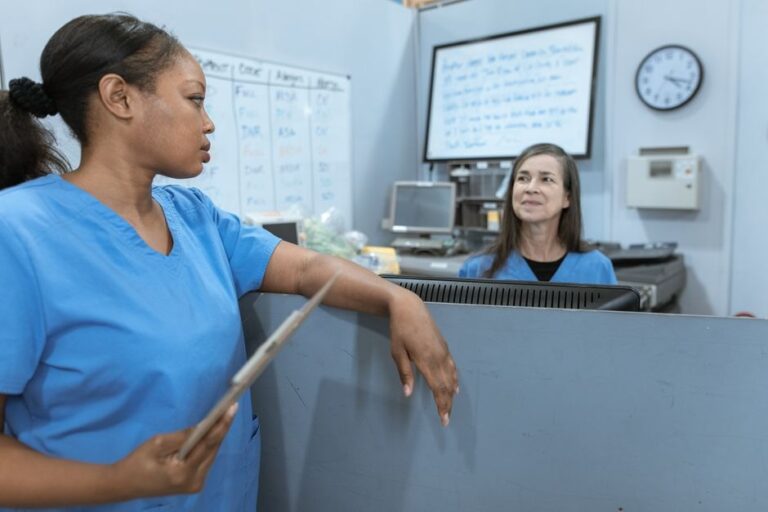
Nursing matters more than ever because healthcare is no longer built around brief doctor visits or simple treatment plans. People are living longer, managing more stress, and facing health concerns that affect daily life in complex ways.
That shift has placed nurses at the center of care, education, and problem-solving. For anyone considering the profession, nursing stands out as one of the most direct ways to help others while building a stable and flexible career.

Why Nursing Is Changing
Healthcare is evolving quickly, and nursing is evolving with it. Hospitals, clinics, schools, long-term care centers, and community programs all need nurses who can do more than follow routines. Patients often have medical, emotional, and social needs that overlap, so care now depends more on prevention, education, and teamwork.
The profession is shifting from a role focused mainly on treatment toward one built around leadership, prevention, and stronger preparation. Nurses are increasingly expected to guide patients, mentor peers, and shape how care is delivered across entire systems. These broad changes are exactly what people mean when they discuss the future of nursing, which is less about responding to illness after it appears and more about helping people understand their health before small concerns become serious problems.
Technology has also changed healthcare, but it has not replaced the human side of nursing. Digital tools can track symptoms, organize records, and monitor vital signs, yet they cannot reassure a frightened family member or notice subtle confusion in a patient. Nurses are often the people who catch those small but important changes early.
More Than Bedside Care
Many people still picture nurses mainly at the bedside, checking vital signs and giving medication. Those duties remain essential, but they represent only part of a much broader field. Nursing now offers many paths instead of one narrow role.
Nurses may teach families how to manage chronic illnesses like diabetes, support students in schools, coordinate services for older adults, or explain complicated treatment plans to patients who feel overwhelmed. Some work in public health and focus on prevention. Others advocate for people who feel anxious, confused, or unheard.
This expanded role matters because healthcare can become complicated very quickly. One patient may need medication, transportation, follow-up care, mental health support, and clear instructions all at once. Nurses often help connect those pieces. In practice, they frequently act as caregivers, educators, coaches, and care coordinators at the same time.
What Communities Need Now
Communities today face serious and often overlapping health challenges. An aging population means more people are living with long-term conditions such as heart disease, arthritis, and memory-related disorders. Mental health concerns are also being discussed more openly, which is important because ignoring them has never made them disappear.
Access to care remains another major issue. Some people live far from healthcare services. Others cannot afford regular visits, do not have reliable transportation, or simply do not know where to begin. Even health information can be hard to trust, especially when conflicting advice online leaves patients more uncertain than informed.
Nurses help close these gaps in practical ways. They explain care in plain language, recognize warning signs early, and help patients stay on track with treatment. In many communities, nurses are the steady and trusted presence people rely on. That trust matters because people are more likely to ask questions, follow care plans, and seek help before a crisis when they feel heard and respected.
The Rise of Nurse Leaders
Nurses are taking on leadership roles more often, and leadership in nursing goes far beyond executive titles or formal management positions. Strong nurse leaders guide teams, solve everyday problems, and improve the experiences of patients and families. Because nurses see what care looks like in real settings, their perspective is especially valuable.
Leadership can begin early in a nursing career. A nurse might mentor a new colleague, suggest a better workflow, or speak up when a process is not serving patients well. Those actions matter because leadership often starts with awareness and the belief that a better approach is possible.
This shift also creates meaningful career growth. Nurses who build communication skills, decision-making ability, and professional confidence can move into roles that influence staffing, policy, education, and systems of care. That benefits healthcare organizations, but more importantly, it improves outcomes for the people receiving care.
Education Opens New Doors
Continuing education can change a nursing career in practical and personal ways. It does more than add credentials to a resume. It can open paths to leadership, teaching, care coordination, and specialized practice areas that better match a nurse’s interests and strengths.
Some nurses discover that they want to mentor others. Teaching future nurses can be deeply rewarding because the experience of one professional can shape many careers and, in turn, many patients’ lives. Others want to improve healthcare systems, lead teams, or strengthen care delivery. Additional education can help make those transitions possible.
Education also builds confidence. Greater knowledge often leads to stronger judgment, broader opportunities, and better patient outcomes. In nursing, learning is never only theoretical. It directly affects how well professionals respond to real situations involving real people. That is why growth in this field matters so much.
A Career With Purpose
Nursing offers something many careers cannot: a clear sense of purpose. On the best days, nurses help people heal, feel safer, or better understand what comes next. On the hardest days, they still provide support during moments that matter deeply. That work leaves a lasting impact on both patients and the professionals who care for them.
There are practical benefits as well. Nursing generally offers strong job stability, and the profession can adapt to different stages of life. Some nurses thrive in fast-paced hospitals, while others prefer schools, clinics, home health, public health, or community-based settings. That flexibility makes nursing appealing to people who want a career that can evolve over time.
It is also a profession that depends on both analytical thinking and interpersonal skills. Nurses assess symptoms, solve problems, make decisions, and build trust all at once. That balance is part of what makes the role so valuable. The work is serious and demanding, but it also offers a direct way to improve lives.
Looking Ahead
Nursing will remain essential because healthcare will always need people who can make it clearer, more compassionate, and more human. As healthcare systems continue to change, nurses will keep connecting treatment with trust, information with action, and complex systems with the people they are meant to serve.
For more articles, visit OD Blog.
