
Deadline: November 20, 2026
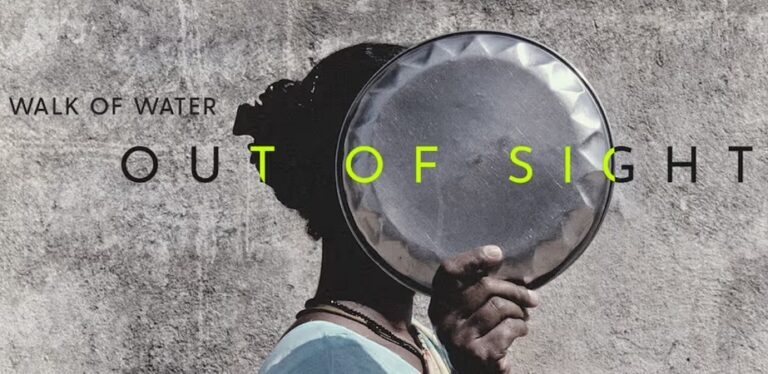
Applications are open for the Walk of Water Photostory Contest 2026: Out of Sight. This sixth edition’s theme, “Out of Sight,” spans the full breadth of water and health, how water shapes health, longevity and well-being, and shines its brightest light on the part nobody photographs: wastewater.
Dignified toilets, clean rivers, and the damage untreated sewage causes to people and ecosystems. It also includes the largely unseen work of wastewater surveillance: collecting samples, analyzing what communities flush away and what is circulating in the community, detecting emerging health and ecosystem threats, and turning evidence into early action for animal, people and environmental protection. These are stories that almost never get photographed, because nobody commissions them. That’s the heart of Out of Sight, and where this edition’s main prize is aimed.
Themes
But the theme is wider than the pipe. Any story about water and health belongs here: the river that cools a city, the ritual bath, the swimming lesson, the river that quietly reveals the pathogens circulating through a community, the tap that finally runs safe. All of it is Out of Sight territory, and all of it can be selected, exhibited and published.
Photo stories should achieve one or more of the following:
- Showcase positive solutions in wastewater management — from nature-based treatment systems to circular, resource-recovery innovations that turn wastewater challenges into opportunities.
- Explore ecosystem health, showing how clean wetlands, rivers, lakes, and coasts support public health, liveable cities, disease prevention, and sustainable fisheries and livelihoods.
- Reveal wastewater surveillance in action, from sampling at treatment plants, drains, hospitals, airports and other transport hubs to laboratory analysis, data interpretation and public-health response. Stories may show how wastewater helps detect pathogens, antimicrobial resistance and other emerging threats while protecting communities without testing every individual.
- Expose the hidden cost of polluted water, from untreated wastewater in rivers, lakes and coastlines to invisible threats such as pathogens, antimicrobial resistance and PFAS, and their toll on ecosystems, biodiversity and human health, including disease outbreaks linked to poor sanitation.
- Celebrate the mental-health, spiritual, and cultural value of blue spaces, revealing water’s role in reflection, ritual, and community life.
- Document safe drinking water, sanitation, and hygiene as the foundation of healthy lives — across homes, workplaces, schools, sports venues, and care facilities.
- Spotlight sports and active living in pools, lakes, rivers, coasts, and community pitches, along with responsible water and sanitation management at major events.
Prizes
- Beyond the prize money: the strongest stories of the edition, wastewater or not, are shown in the 2027 Walk of Water exhibitions and published with our media partners worldwide.
- Total prize pool is US$9,000
Eligibility
- Open to individuals and organisations of all ages and nationalities. Entrants under 18 need a parent or guardian to co-sign the photo licence. Employees of the organisers and sponsors, jury members, and their immediate families are not eligible for prizes.
- Entries must be the original work of the participant and must not plagiarise or infringe any intellectual-property rights. Where identifiable people appear — especially children — the participant confirms they have obtained the necessary consent.
- This is a photography contest: images created or altered with generative AI will be disqualified. Standard adjustments (exposure, color, cropping, dust removal) are permitted; adding or removing picture content is not.
- Up to three photo stories per participant; no more than one prize per participant.
Application
Each submission must include:
- Photos: 5–10 photographs that tell a story (.jpg, at least 10 megapixels — long side 3,872 px or more; sRGB recommended).
- Story: a narrative (2500–8000 characters) that tells the story behind the photographs.
- Captions: number each photo and add a short caption (30–300 characters). Example: 1 – The Po River provides drinking water, irrigation, and habitat for wildlife. 2 – A heron stands on the riverbank. 3 – …
- Signed photo license: Entrants under 18: have a parent or guardian co-sign.
For more information, visit Walk of Water Photostory Contest.
