
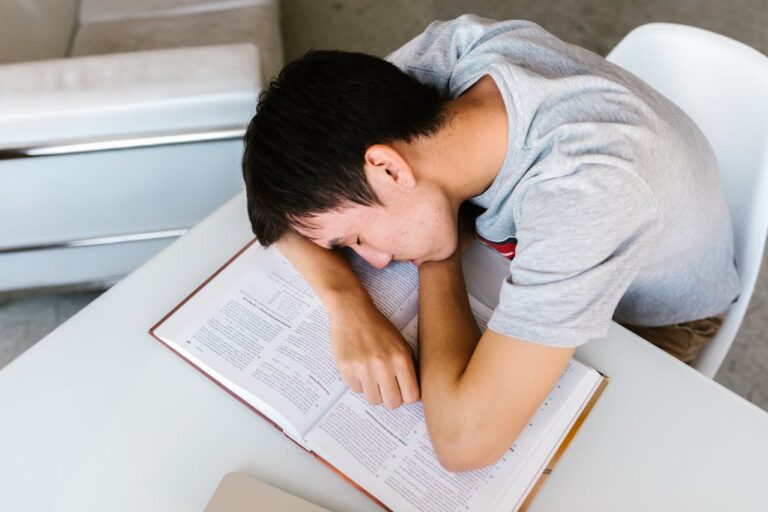
Students pull all-nighters before exams thinking they’re maximizing study time. The reality doesn’t match up though. Research keeps showing sleep quality affects academic performance way more than most students want to admit. A 2025 study at Batterjee Medical College looked at medical students and found connections between sleep quality and grades, which makes sense considering how intense those programs are.
The connection between rest and cognitive function goes beyond just feeling tired. Sleep deprivation messes with memory consolidation, attention span, problem-solving, how well information sticks. Students who sleep poorly do worse on exams even when they studied the same stuff as classmates who got rest. One study using wearable trackers found sleep accounted for nearly 25% of variance in academic performance among college chemistry students, which is pretty significant when you think about it.

Making Sleep Planning Actually Work
Setting a consistent bedtime sounds boring and it is boring. Works better than most other things though. Going to bed same time nightly trains the body when to feel sleepy, takes maybe a week or two to establish but sleep quality improves after the pattern sets.
Wind-down routines help signal the brain sleep is approaching. Might include dimming lights an hour before bed, light stretching, reading something not stimulating, avoiding screens obviously. The specific activities matter less than doing them consistently every night as a routine, consistency is the key part not the exact activities chosen.
Technology can help despite being a major sleep problem when used wrong, which is ironic. Students wanting better habits can use a tool to plan for a good night’s sleep by tracking patterns and setting schedules based on data. This ensures they know how many hours of sleep they need and can also help them set an appropriate bedtime. This is important since achieving a consistent bedtime and wake up time is considered optimal in providing the required number of hours of good quality sleep so one can wake up refreshed and ready to take on the day ahead.
There are also mobile apps that claim to analyze sleep indirectly and try to give recommendations based on perceived sleep patterns rather than generic advice. How good these tools are at actually identifying when someone is asleep or not, and how much quality deep sleep they get is another matter entirely. In theory, sleep quality and sleep time feedback should help users understand which behaviors connect to better rest. Some apps include alarms that wake users during lighter sleep phases, reduces morning grogginess supposedly though results vary by person.
Cramming Doesn’t Work the Way People Think
All-nighters for cramming seem productive while doing them. The brain needs sleep to move information from short-term into long-term memory though. Without proper rest that transfer doesn’t happen right, material studied late at night gets forgotten by morning or doesn’t stick properly.
Research shows sleep duration and quality over the whole month before exams matters more than just the night before a test. Getting consistently good rest builds up cognitive reserves that help during high-stress periods. One decent night before an exam can’t fix weeks of bad sleep leading up to it, no matter how much students want to believe otherwise.
Timing matters beyond just hours slept. Sleep consistency means similar bed and wake times daily, weekends included. Students with irregular schedules get “social jet lag” where bodies never adjust to a rhythm properly. This inconsistency hurts cognitive function more than expected, kind of like crossing time zones repeatedly without ever adjusting fully.
Poor Sleep Destroys Focus and Memory
Attention during lectures suffers dramatically when sleep-deprived, everyone knows this but does it anyway. Students zone out in class, read the same paragraph five times without absorbing anything, make stupid mistakes on assignments they actually understand. The brain just can’t maintain focus running on insufficient rest, it’s not complicated.
Memory formation needs specific sleep stages. Deep sleep helps consolidate declarative memories which is facts and concepts. REM sleep seems particularly important for procedural memory and creative problem-solving, though the exact mechanisms are still being studied. Students getting fragmented sleep miss these critical processes even spending adequate time in bed, which is frustrating because the time investment is there but results aren’t.
A recent study looked at Tokyo and London university students, found negative correlations between poor sleep quality and cognitive performance across multiple areas. Students with better sleep showed superior memory, attention, executive function regardless of cultural background. The research controlled for demographics and confirmed sleep’s role in mental performance, added to the pile of evidence that already exists on this topic.
Screen Time and Sleep Destroyers
Most students use phones or laptops right until trying to sleep, which is basically everyone at this point. Blue light from screens suppresses melatonin production, delays when someone actually falls asleep even after lying down with eyes closed. The content matters beyond just light though. Scrolling social media, watching videos, reading stressful news keeps the brain active when it should wind down.
Caffeine affects sleep hours after drinking it. That afternoon coffee or energy drink at 3pm still has effects at midnight, students often don’t connect their caffeine habits with sleep problems later. Alcohol helps fall asleep initially maybe but fragments sleep quality throughout the night, so it’s not actually helpful despite seeming like it works.
Irregular schedules make everything worse. Midnight bedtime weekdays then 3am weekends disrupts circadian rhythms badly. The body never establishes consistent patterns, makes both falling asleep and waking up harder every single time. Class schedules contribute when students have 8am some days and nothing until afternoon other days, creates scheduling chaos that affects sleep.
Academic Stress and Sleep Create a Bad Cycle
Academic pressure creates anxiety preventing sleep, tale as old as time. Students lie awake thinking about upcoming exams, papers due, group projects with partners who ghost. Stress keeps them awake which means less sleep which causes worse performance which creates more stress, round and round it goes.
Some students develop actual insomnia from this. Bodies start associating bed with stress instead of rest, which is backwards from how it should work. Watching the clock at 2am knowing the alarm goes off at 6am creates panic that prevents sleep even more. Worrying about not sleeping becomes self-fulfilling, makes the problem progressively worse over time.
Exercise helps break this cycle but students skip it when busy or tired. Physical activity improves sleep quality and reduces stress at the same time, pretty straightforward. Finding time requires prioritization though, and sleep-deprived students feel they don’t have energy for workouts even though exercise would ultimately help the exact problem they’re facing.
Conclusion
The relationship between sleep and academic performance shows up clearly across multiple studies and different cultures. Students who prioritize rest consistently outperform equally capable peers who sacrifice sleep, the data supports this even though it’s counterintuitive. The challenge is convincing students to value something with delayed benefits over immediate studying, but evidence keeps piling up that sleep matters more than most educational factors people obsess over.
For more articles, visit OD Blog.
