
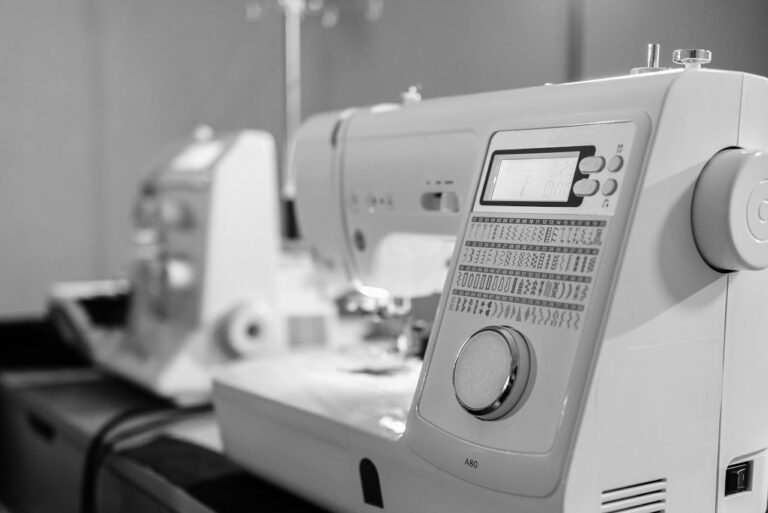
In recent years, fashion has undergone a transformation that marries heritage craftsmanship with cutting-edge digital technology. Searching over the web best embroidery digitizing service USA and the results has enabled brands and artisans to achieve levels of customization, speed, and creativity previously unimaginable. From luxury couture to promotional goods, this outstanding approach by Digitizing Lord is impacting industries beyond garment design textile manufacturing, technical textiles, lifestyle products, and even tech-integrated wearables. This article explores how this revolution of embroidery digitizing is reshaping fashion and related sectors, offering efficiency, personalization, and new business models all while redefining creative expression.
The Global Surge in Digitized Pattern Creation

The broader market for embroidery machines that produce digital patterns has seen explosive growth. In 2024, according to MRFR the global market value for embroidery machine systems reached approximately USD 5.63 billion, with projections reaching USD 8.0 billion. Another research report by Mordor Intelligence estimates the broader digitizing machine-based sector at USD 1.20 billion in 2025, expected to grow to USD 1.60 billion by 2030, at a compound annual growth rate (CAGR) of roughly 5.9%. Asia‑Pacific currently dominates the global uptake, accounting for around 63 percent to 64 percent of market share, with strong growth, and North America and Europe follow, with rising demand in fashion, brand merchandise, and personalized goods.
Fashion Industry and Customized Creativity
Within mainstream fashion, designers are embracing digitizing techniques to offer personalization at scale. Luxury brands, independent labels, and even mass-market labels are adding customizable motifs, initials, or logos to ready‑to‑wear lines. As the Financial Times reports, personalized decoration saw a 93% increase in-store and a 40% online increase over one year at a shirting brand collaborating with digitizers.
This movement allows brands to stand out in an era when standardized fashion dominates. The ability to produce unique, small‑run items with minimal setup has created demand across casualwear, accessories, and premium garments.
Textile Manufacturing and Supply Chain Integration
Beyond fashion labels, textile manufacturers are integrating digital tools into broader manufacturing and digital transformation strategies like embroidery digitized logos, and shapes. Technologies like PLM systems, IoT and AI streamline workflows and allow seamless transitions from concept to production.
In technical textiles such as automotive interiors, medical fabrics, and smart wearables digitally embroidered pattern production ensures precision and compatibility with industrial fabrication processes. AI‑driven systems can automatically adjust stitch density, thread tension, and other parameters to suit different substrates, minimizing waste and improving consistency.
Technology and Smart Textiles Wearables
A small but growing share of innovation involves blending digital patterning with electronic components in smart textiles. Nearly 18% of manufacturers have begun integrating sensors or LEDs into their designs Global Growth Insights. Through digitally controlled pattern placement, tech‑infused decorative motifs can transform garments into functional devices health trackers, lighted branding, or interactive art.
These smart applications open opportunities in sportswear, medical devices, fashion tech, and even home decor sectors where functionality merges with aesthetics.
On‑Demand Customization For Small Businesses
The democratization of machine-based digitization has empowered small businesses and hobbyists. Single‑head portable machines, priced between USD 2,000 and 7,000, sold over 85,000 units in 2023. These tools, often paired with cloud-based and user-friendly software, enable independent creators to offer custom monograms, logos, and personalized designs.
On platforms such as promotional merchandise and e‑commerce stores, customers can upload logos and select placements, and the system automatically generates production files. This lowers the threshold for entry, making bespoke goods accessible to small brands and DIY creators.
Cross-Industry Impacts
Due to advance technology businesses urge to access collaborative work. This not only allow them to expand their business but also to share knowledge and market their goods and services using unique embroidered brand logos and names.
1. Promotional Brand Merchandise
Corporate branding often requires small to medium runs of logos on apparel or accessories. Digitized embroidery pattern creation eliminates extensive setup costs and speeds production. Businesses benefit from faster turnaround, lower minimum orders, and flexible design revisions.
2. Textiles & Interior Decor
Digitally produced decorative motifs are used on cushions, towels, wall hangings, and even furniture textiles. The precision and repeatability of digital patterning suit batch production or small artisan runs that require unique branding or personalization.
3. Luxury & Fine Craftsmanship
High fashion and couture houses are combining traditional hand finish with machine‑produced designs for complex layering. Designers use digitally created motifs as base layers and overlay with handwork for unique textures and depth. This synergy respects heritage while harnessing digital precision.
4. Industrial Applications
In aerospace, automotive, sports, and medical sectors, textile components often include markings, logos, labels, or functional stitching patterns. Digitizing Lord the embroidery expert ensure accuracy, repeatability, and integration into automated fabrication lines. Tech driven optimization further reduces waste and increases throughput.
Efficiency Trends
Digital pattern approaches support sustainability by minimizing material waste, lowering energy use, and enabling localized on-demand production. Automation reduces reliance on skilled manual labor and speeds up throughput. In Europe, over 25% of producers have adopted eco‑friendly materials such as biodegradable threads, and digital systems help validate and track usage.
Market data highlights of Global Growth Insights automated systems make up about 45% of total installations, and digital tools reduce setup time by approximately 40% compared to manual methods, increasing speed and cost-efficiency.
Innovation & Automation
Artificial intelligence is reshaping the field to modern systems auto‑adjust settings, recommend changes, and offer predictive quality control. AI‑powered interfaces enable users with minimal training to create designs with precision.
The integration of cloud connectivity allows remote design edits, collaboration, and updates. Designers and brands across regions can share and refine patterns instantly, while production units execute accurate stitching files.
Market Outlook
Reports anticipate continued expansion: the broader machine‑patterning sector is expected to expand from USD 5.63 billion from last year to around USD 8.0 billion by 2035. Separately, the narrower machine market is projected to grow from USD 1.20 billion in 2025 to USD 1.60 billion by 2030.
Asia‑Pacific remains the growth engine, with high adoption rates in textile‑based economies. North America and Europe follow with steady demand, particularly in customization, fashion, and promotional goods sectors.
Strategic Takeaways
- Personalization at Scale: Consumers increasingly demand products to represent their identity. Digital pattern systems make low-volume personalization economically viable.
- Operational Agility: Brands can respond quickly to trends, launch limited editions, or localize production without heavy setup costs.
- Cross‑Sector Adoption: Beyond fashion, areas such as home decor, promotional goods, technical textiles, and smart wearables benefit from faster, precise digital production.
- Eco‑Friendly Advantage: Reduced waste and energy, combined with sustainable materials, align with global sustainability goals.
- Empowering New Entrepreneurs: Accessible tools support small operators and creatives, fostering innovation and grassroots design.
Conclusion
The convergence of fashion, textile manufacturing, technology, and consumer demand is fueling a revolution powered by computerized pattern creation. This new wave reshapes how garments and goods are conceived, produced, and personalized spanning from high fashion to tech‑worn accessories. As the global market climbs past multiple billions in valuation and adoption spreads across regions and sectors, this is more than just a trend it’s a structural shift in the creative and industrial landscape. For industries ranging from apparel to smart textiles and lifestyle products, the march toward digital design capability offers not only aesthetic and experiential gains but also operational resilience and sustainable growth.
For more articles, visit OD Blog.
